Crafting Exceptional Custom Produce Boxes: A Comprehensive Walkthrough
Building specialized fruit and vegetable boxes calls for a strategic strategy. Professionals must consider environmental responsibility, practicality, and visual appeal. Selecting the suitable materials is crucial for maintaining quality and supporting eco-friendly methods. Furthermore, size and shape can greatly influence ease of use and shipping effectiveness. Effective graphics enhance brand recognition, while detailed assessment guarantees longevity. Grasping these elements will uncover key understanding into producing exceptional packaging strategies that appeal with customers. What follows is fundamental to accomplishing those targets.
Picking the Ideal Resources for Custom Produce Boxes
When selecting materials for custom produce boxes, it is essential to assess both functionality and environmental impact. The decision of material considerably affects the box's durability, weight, and ability to protect the contents. Common materials include corrugated cardboard, which supplies strength and is able to be recycled, making it a popular choice for sustainability-focused businesses. Decomposable options, such as molded pulp or plant-based plastics, also embrace sustainable practices while offering sufficient protection for delicate produce.
Additionally, water resistance is vital for keeping freshness intact, moving some producers to examine treated materials or specialized coatings. The aesthetic appeal of the box must not be ignored, as branding and visual presentation can shape consumer perception. Ultimately, the suitable material should maintain equilibrium between protecting the produce, appealing to customers, and adhering to environmental standards, making certain that usefulness and environmental responsibility are central to the creation phase.
How to Opt for Size and Shape for Functionality?
When choosing the size and shape of custom produce boxes, careful assessment of produce dimensions is crucial for effective storage. Additionally, considerations for movement and transportation can affect the box structure, guaranteeing ease of movement. Optimizing shelf space usage further enhances functionality, allowing for effective presentation and organization.
Evaluate Produce Dimensions Carefully
Determining the proper size and shape for produce boxes is vital for functionality and efficiency. Careful measurement of produce measurements is necessary, as it confirms that items fit tightly without extra room that might create damage during storage or transport. Made-to-order containers need to handle various configurations, from tender fruits to oversized produce, while keeping robustness. Additionally, the height and width of the boxes should allow for efficient stacking and assessment inventory control, making the best use of space in warehouse spaces. A expertly crafted container not only protects the produce but also boosts consumer appeal for end customers. Ultimately, meticulous planning of dimensions aids in waste prevention and enriching supply chain experience in the logistics network.
Review Handling and Transport Practices
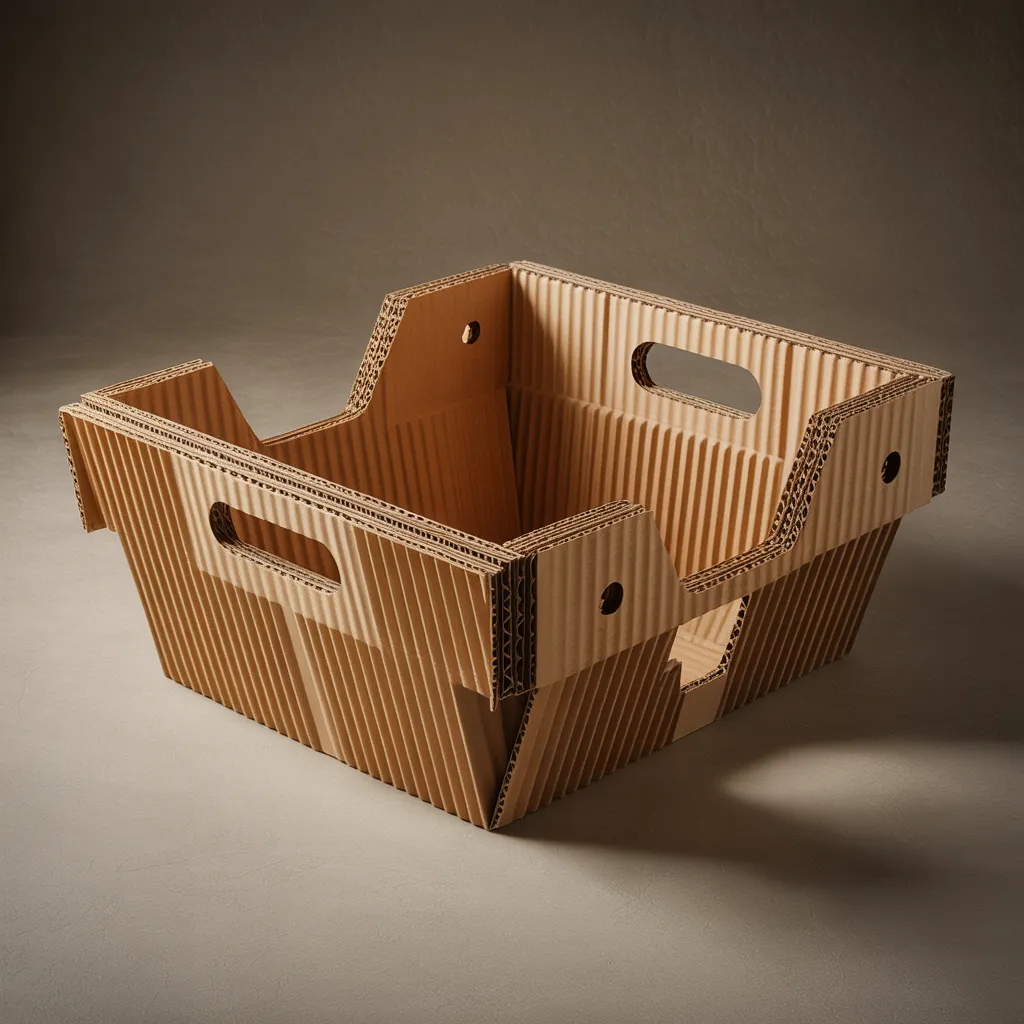
Handling and logistics considerations play a considerable function in ascertaining the appropriate size and contour of custom agricultural packaging. The dimensions should accommodate the items lacking excessive space, which would lead to shifting and damage during transit. Smaller, compact boxes facilitate easier care, whereas larger boxes could be vital when handling bulkier goods. Moreover, proper ergonomics is critical; grip areas or openings should be strategically situated so as to allow for pleasant hoisting and carrying. The configuration that makes up the box likewise influences nesting along with balance, ensuring where items keep secure. Ultimately, thoughtful review pertaining to these considerations enhances the efficiency in shipping, lessens product loss, plus supports the comprehensive integrity concerning the produce from farm reaching consumer.
Improve Retail Space Optimization
Optimizing shelf space usage depends on picking the suitable proportions and design of custom produce boxes. Design teams should evaluate the dimensions of the storage systems as well as the categories of crops being placed. Straight-edged boxes often enhance room optimization, facilitating for more convenient organization and positioning. In contrast, non-standard forms can heighten visual appeal but may create lost capacity if not properly structured.
It's necessary to analyze the stock circulation rate; briskly-selling products might profit from compact, easily reachable containers. Also, adopting adjustable or flexible frameworks can enable varying dimensions of produce while maximizing storage layout. By highlighting functionality and aesthetic considerations, firms can build a practical and attractive display that elevates both product access and market presence.
How to Make Images That Draw Focus?
Striking visuals can convert a straightforward custom produce box into a visual masterpiece that captures focus. To achieve this, artists should start by picking a color scheme that reflects the crispness and liveliness of the produce. Bold, attention-grabbing colors can evoke emotions of freshness and vitality, driving consumers to take a closer look.
Bold typography remains crucial; readable typefaces can effectively communicate vital details while amplifying visual appeal. Additionally, using excellent images of the produce can establish instant connection, revealing the product's quality and engaging prospective purchasers.
In addition, incorporating distinctive visuals and patterns can assist in distinguishing the brand in a crowded market. Uniformity in visual aspects, such as logos and taglines, supports brand identity. Ultimately, a mixture of creativity and clarity in graphic design can greatly elevate the influence of custom produce boxes, helping them become distinctive on shelves.
Eco-Friendly Practices for Custom Produce Box Packaging Solutions
A expanding number of enterprises are adopting eco-friendly techniques for custom produce box packaging, understanding its value in today's environmentally conscious market. These practices often include the use of organic materials, such as recycled paper and plant-based plastics, which decrease environmental impact. Companies are also working on ethical sourcing, making certain that materials are obtained from responsibly managed forests or suppliers who support environmental stewardship.
Furthermore, numerous brands are going with minimalist designs that reduce waste while still efficiently highlighting their products. This approach not only resonates with eco-aware consumers but also assists in lowering production costs. Moreover, businesses are increasingly applying effective manufacturing processes that limit energy consumption and waste generation. By integrating these eco-friendly practices, companies not only enhance their brand image but also contribute positively to the planet, aligning their operations with a sustainable future.
Verify Your Custom Produce Box Design
Testing the layout of personalized vegetable containers is an essential step in ensuring they meet both visual and practical needs. This procedure usually includes assessing factors such as durability, size, and usability. First, samples must be developed to evaluate the box's structural integrity, ensuring it can withstand shipping and keeping without damaging the contents.
Following this, user testing sessions can be executed to evaluate how readily the boxes can be unfastened, fastened, and stacked. Suggestions from target consumers can be essential in this phase, sharing understanding of the box's usefulness.
Additionally, the design's visual appeal should be examined through focus groups or surveys, assessing consumer feedback to brand design elements, colors, and total visual presentation.
In the end, comprehensive evaluation permits designers to improve the box, guaranteeing it not only attracts customers but also effectively safeguards and showcases the produce within, striking the right balance between form and function.
Efficiently Publicize Your Custom Produce Boxes
Effective promotion of personalized produce boxes requires a strategic approach that highlights their distinctive advantages and value. Organizations must focus on identifying their intended customers, including local farms, grocery stores, or individual consumers. Utilizing social media platforms can amplify market visibility, presenting the boxes' appearance and functionality through compelling visuals and storytelling.
Furthermore, teaming up with community leaders and farm operators can boost credibility and extend reach. Introducing offers or price reductions during seasonal peaks can bring in new clients and stimulate repeat business.
Moreover, emphasizing sustainability and eco-friendliness in advertising content can appeal to environmentally conscious consumers. Supplying thorough details about the composition of materials and the positive aspects of personalized packaging options can help differentiate the item in an increasingly competitive landscape.
In the end, a extensive marketing strategy that merges digital and community-based efforts will efficiently market custom produce boxes, appealing to a wide-ranging clientele and driving sales.
Commonly Requested Queries
What Are the Expenses Associated With Custom Produce Box Design?
Costs associated with custom produce box design include raw materials, printing, labor, and delivery. Additionally, design work and minimum order quantities can influence overall costs, leading to varying pricing based on specific requirements and manufacturing volume.
What Length of time Is Needed to Make Custom Boxes?
Production of custom boxes generally requires two to six weeks. Important elements affecting this timeframe encompass design intricacy, materials availability, and manufacturing output, all of which can influence delivery schedules and lead times.
May I Place an Request for a Minimal Quantity of Bespoke Produce Boxes?
Yes, modest quantities of personalized fruit and vegetable boxes can typically be requested. Many suppliers provide minimum order quantities, permitting enterprises or consumers to get customized packaging solutions without needing to pledge to substantial amounts initially.
What Common Mistakes Should You Avoid When Designing Bespoke Packaging?
Typical errors in custom box development involve neglecting functionality, ignoring brand consistency, undervaluing material quality, not taking into account target audience preferences, and neglecting environmental impact. Each aspect is essential for successful packaging and customer satisfaction.
How Do I Confirm My Boxes Are Food-Safe?
To verify boxes maintain food-grade status, individuals must choose materials certified for food contact, eliminate dangerous inks and adhesives, sustain cleanliness during production, and regularly test for compliance with health regulations and safety standards.